
Joint dislocation occurs when the bones forming a joint are forced out of their normal positions. This can be caused by trauma, sports injuries, or repetitive strain. Symptoms include intense pain, swelling, and difficulty moving the affected joint. Prompt medical attention is crucial to reduce the dislocation, usually achieved through gentle manoeuvres or, in some cases, surgery. Rehabilitation and preventive measures, such as strengthening exercises and joint-stabilizing techniques, are often recommended to minimize the risk of recurrence and promote recovery
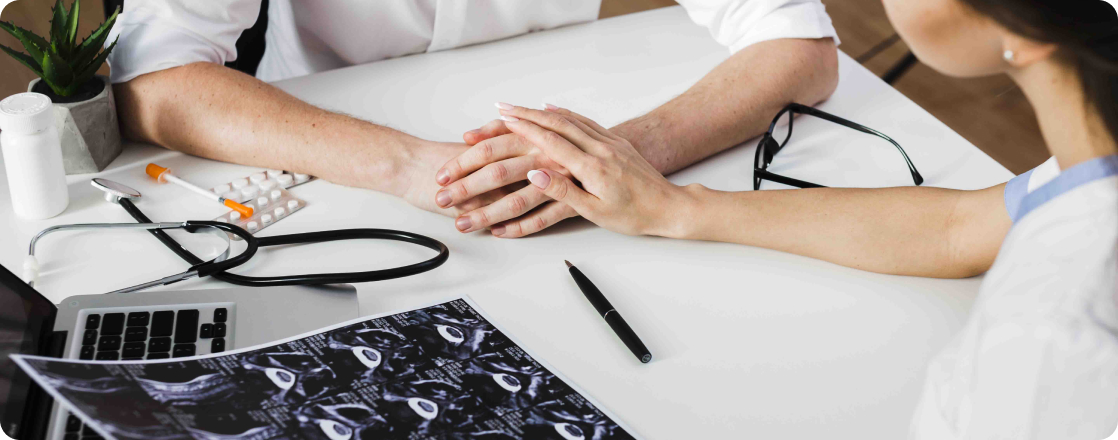
Joint injuries necessitate a tailored approach to treatment, with options ranging from conservative measures to surgical interventions. For milder cases, rest and activity modification serve as foundational strategies, allowing the affected joint to recover naturally. Physical therapy plays a crucial role in rehabilitation, emphasizing exercises to strengthen muscles, enhance flexibility, and improve range of motion. Medications such as non-steroidal anti-inflammatory drugs (NSAIDs) may be employed to alleviate pain and inflammation, while ice and heat therapy provide additional relief. In cases where conservative measures prove insufficient, corticosteroid injections or immobilization through splints or braces may be recommended.
For more complex or severe joint injuries, surgical interventions become pivotal. Arthroscopy is a minimally invasive option, allowing the surgeon to visualize and treat issues within the joint. Procedures like ligament repair address specific structural problems, while advanced cases may necessitate joint replacement surgery. The choice between these diverse treatment modalities is guided by the nature and severity of the injury, with healthcare professionals crafting personalized plans to optimize recovery and restore joint function.