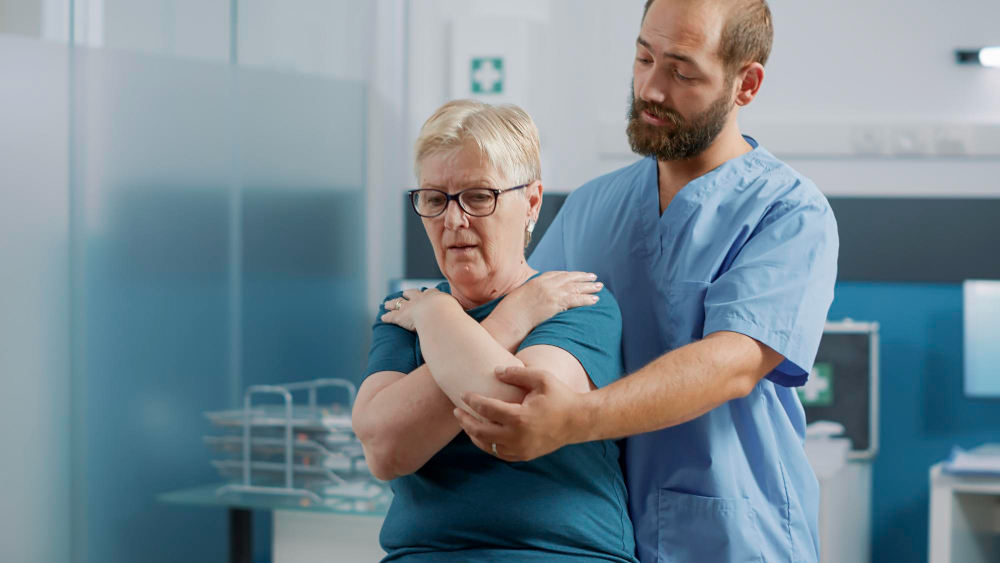
Rotator cuff instability refers to a condition affecting the shoulder's stabilizing structures, compromising its ability to maintain proper function during arm movements. The rotator cuff, a group of tendons and muscles, plays a vital role in stabilizing and controlling the shoulder joint. Its integrity is essential for activities involving arm mobility, such as lifting, reaching, and rotating the arm.
Rehabilitation is pivotal in addressing rotator cuff instability, focusing on exercises that target the muscles and tendons around the shoulder. The goal is to strengthen these structures, restore flexibility, and enhance overall shoulder stability. This comprehensive treatment approach aims to help individuals regain full function and mitigate long-term complications associated with rotator cuff instability, such as persistent shoulder weakness or degeneration.
Rotator Cuff Instability (RCI) management is a meticulous approach aimed at addressing issues with the stability of the rotator cuff in the shoulder. The process commences with a thorough preoperative assessment, including physical examinations, medical history reviews, and imaging studies to evaluate the extent of the instability. This evaluation guides the surgeon in planning the surgical intervention and determining the most appropriate course of action for rotator cuff stabilization.
The surgical procedure is conducted under anesthesia, with the choice of general or regional anesthesia based on the patient's preferences and health. Employing a minimally invasive arthroscopic approach, small incisions are made around the shoulder. An arthroscope, equipped with a camera, is introduced to visualize the interior of the joint. Arthroscopic instruments are then utilized to address the instability, whether through repairing torn ligaments or employing other stabilization techniques. The goal is to restore the natural position and function of the rotator cuff.
Postoperative care is a crucial phase, involving pain management, monitoring for complications, and the initiation of a comprehensive rehabilitation program. Physical therapy assumes a pivotal role in this phase, gradually restoring strength, range of motion, and stability to the shoulder. The final recovery phase entails a gradual return to regular activities and sports, guided by the orthopedic surgeon and physical therapist. Successful management of Rotator Cuff Instability relies on factors such as the surgical approach, rehabilitation adherence, and collaborative efforts between patients and their healthcare team.
Recovery after rotator cuff surgery is a crucial phase focused on the patient's well-being and successful rehabilitation. Immediate postoperative care involves close monitoring for complications and the initiation of pain management protocols. Vigilant observation is maintained to detect any signs of infection at the surgical site. To prevent issues like blood clots, patients are encouraged to engage in gentle movements. This initial care period sets the stage for subsequent rehabilitation, where physical therapy plays a pivotal role. The rehabilitation program is personalized to restore shoulder mobility, strengthen the rotator cuff muscles, and enhance overall functionality. A gradual and guided return to normal activities ensures effective healing and reduces the risk of complications after rotator cuff surgery.