
Total knee replacement, also known as total knee arthroplasty, is a surgical procedure aimed at alleviating chronic knee pain and restoring function in individuals with severe knee joint damage. This damage is often caused by conditions such as osteoarthritis, rheumatoid arthritis, post-traumatic arthritis, or other degenerative joint diseases. The procedure involves removing damaged portions of the knee joint and replacing them with artificial components, typically made of metal and plastic.
Total knee replacement surgery aims to reduce pain, improve joint function, and enhance the overall quality of life for individuals suffering from debilitating knee conditions. This procedure has a high success rate and is often considered when non-surgical interventions, such as medication and physical therapy, no longer provide adequate relief. After surgery, patients typically undergo a rehabilitation process to regain strength, flexibility, and mobility in the replaced knee.
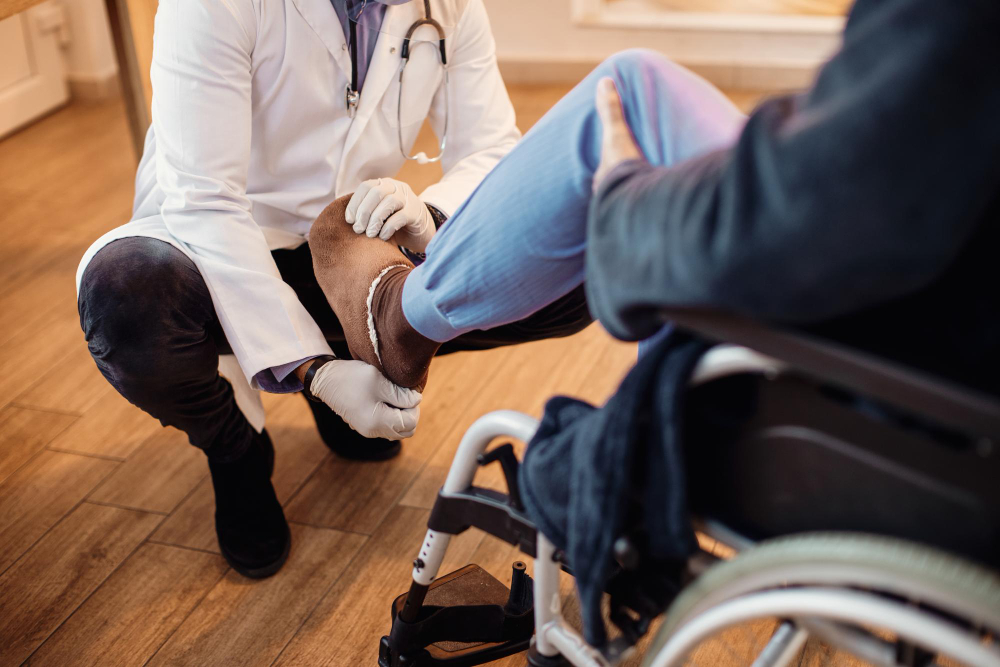
The total knee replacement procedure involves a comprehensive process to address severe knee joint issues. Beginning with a thorough preoperative evaluation, patients undergo physical examinations and imaging studies to assess their overall health. Following this, the surgeon administers either general or regional anesthesia, ensuring the patient's comfort during the procedure. The subsequent incision over the knee exposes the damaged joint, and the surgeon carefully removes affected cartilage and bone from the femur, tibia, and patella, creating space for the artificial components.
Once the damaged tissue is resected, the next stage involves the precise implantation of artificial components. Comprising metal and plastic, these components replace the removed portions of the joint, including the femoral, tibial, and, when necessary, patellar components. After securing the artificial components, the incision is closed, and a sterile dressing is applied. Postoperatively, patients enter a monitored recovery phase, where physical therapy is initiated promptly to enhance joint movement and muscle strength. This phase also includes pain management and preventive measures against infection.
Total knee replacement is renowned for significantly improving the quality of life for individuals with severe knee joint conditions. The success of the procedure hinges on the meticulous execution of each step, the choice of anesthesia, and the patient's commitment to postoperative rehabilitation. The specific nuances of the procedure may vary based on the surgeon's approach and the unique characteristics of each patient.
After total knee replacement (TKR) surgery, a comprehensive approach to postoperative care is crucial for optimal recovery. Immediate postoperative care involves close monitoring in a designated recovery area, with a focus on pain management and observation for any signs of infection. Early mobilization is encouraged to prevent complications such as blood clots, and gentle movements like flexing toes and ankles aid in the recovery process. Subsequent phases involve personalized physical therapy programs aimed at restoring joint mobility, strengthening surrounding muscles, and promoting overall functionality. The emphasis is on close monitoring, early intervention, and a gradual return to normal activities, all contributing to a successful recovery following TKR.